



Going through a divorce in BC? Jody Blue, mortgage broker in Parksville, explains your options — buying out a spouse, selling, or restructuring your mortgage.

Thinking about refinancing? A Vancouver Island mortgage broker explains six situations where refinancing your mortgage makes sense, and when it doesn't.

One of the most persistent myths in Canadian mortgage lending is that being self-employed makes getting a mortgage difficult — or even impossible. It is not true. But it does make things different. I have been helping self-employed borrowers across Vancouver Island qualify for mortgages for over 25 years. Contractors, business owners, consultants, tradespeople, freelancers — all with different income structures and almost all of them more qualified than they thought when they first came to talk to me. Why Self-Employed Mortgages Work Differently When a salaried employee applies for a mortgage, verifying income is straightforward. Two pay stubs, a letter of employment, two years of T4s — done. When you are self-employed, your income may be variable, may flow through a corporation, and you may legitimately write off significant expenses that reduce your taxable income on paper. Lenders know this. The challenge is proving your income in a way they can work with. Path One: Traditional Qualification Using Declared Income If you have been self-employed for at least two years and can document your income through Notices of Assessment, T1 General tax returns, and business financials, you may qualify through a traditional mortgage application using your average declared income over the past two years. This gives you access to the full range of lenders, often at the best available rates. What lenders want to see: two years of Notices of Assessment, two years of T1 General returns with all schedules, business financials prepared by an accountant, evidence the business is ongoing, and a credit score of 680 or above. Path Two: Alternative and Stated Income Lending If your declared income does not support the mortgage you need — or if you have been self-employed for less than two years — there are Alternative-A (Alt-A) lenders specifically structured to work with self-employed borrowers more flexibly. They take a broader view of your income, looking at business account deposits and overall financial picture rather than relying solely on your Notice of Assessment. Alt-A lending typically involves a slightly higher rate — the trade-off for the flexibility. But for borrowers who would otherwise be declined, it opens access to real mortgage financing. The rate difference is often smaller than people expect. What You Can Do to Strengthen Your Application Keep business and personal finances separate. Maintain a separate business account, pay yourself consistently, and keep records organized. Build your credit profile. Self-employed borrowers sometimes have thinner credit profiles. Make sure you have established credit history in your personal name. Have two years of self-employment history. Two years is the standard threshold at which traditional lenders become comfortable. If you are close, it may be worth waiting — or exploring alternative lending in the interim. Do not maximize your deductions the year before you apply. Aggressively reducing your declared income in the year before your mortgage application can work against you, even if it saves on taxes. Talk to your accountant early. Why a Mortgage Broker Matters More for Self-Employed Borrowers Not all lenders are equally equipped to handle self-employment income. A broker who works regularly with self-employed borrowers knows exactly which lenders are the right fit and can position your application in the best possible way. I have been doing this for over 25 years. I know which lenders want to see two years of NOAs, which ones will work with business deposits, and which ones have appetite for your specific situation. That knowledge is often the difference between a declined application and an approved one on the exact same financial profile. If you are self-employed and wondering whether you can qualify — or if you have already been told no somewhere — let’s talk. Learn More About Purchase Mortgages → Book a Free Conversation →

Buying your first home on Vancouver Island? A Parksville mortgage broker breaks down programs, pre-approvals, and what first-time buyers actually need.

Most Canadians sign their renewal without shopping around — and it costs them. A Parksville mortgage broker explains what to do instead.

A Certified Reverse Mortgage Specialist in Parksville BC breaks down who a reverse mortgage works for, who it doesn't, and what to consider before deciding.

Learn how mortgage portability works in Canada, how to port and increase your mortgage when upsizing, and how to avoid massive prepayment penalties.
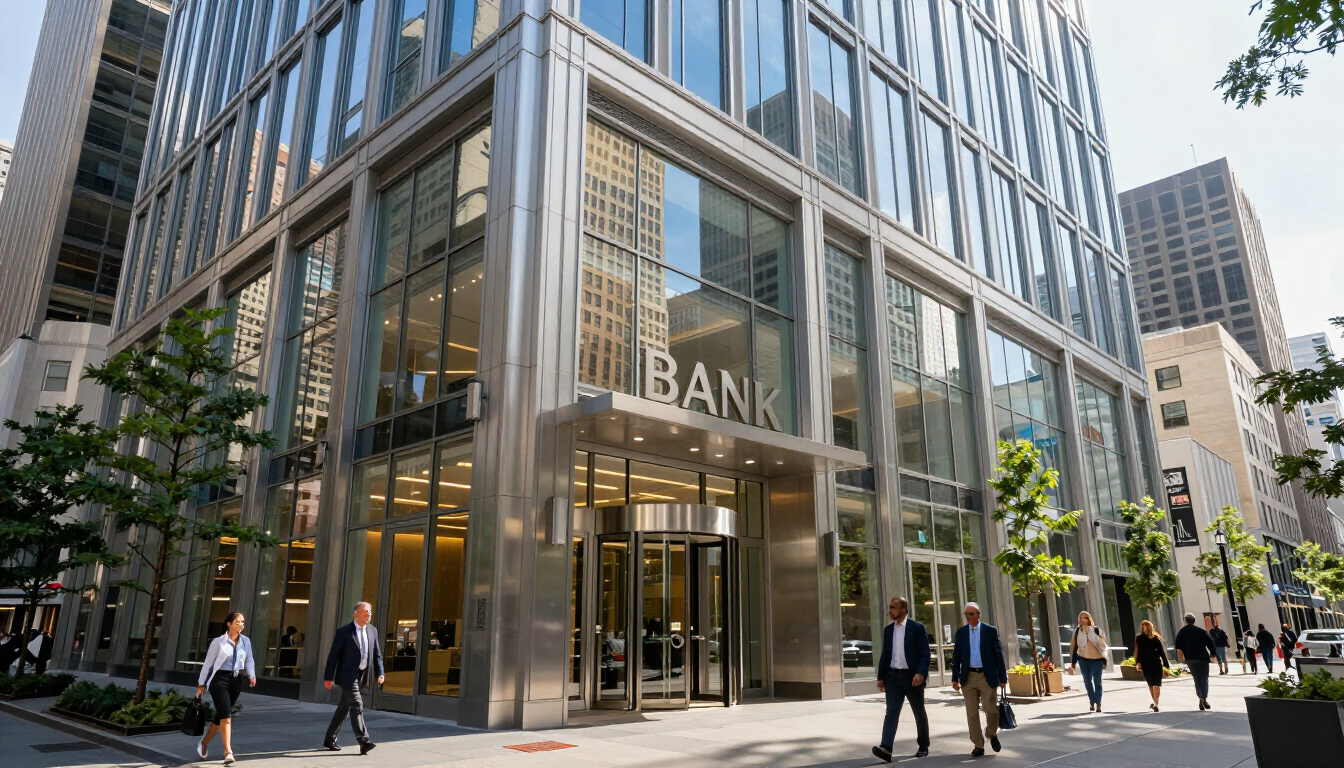
The Bank of Canada announced today that it is holding its target for the overnight rate at 2.25%, with the Bank Rate at 2.5% and the deposit rate at 2.20%. While Canada's economic recovery is broadening, a new layer of uncertainty has entered the picture. Here is what happened and what it means for your mortgage.

Should you choose a HELOC or refinance your mortgage to access your home equity? Learn the pros, cons, and costs of each option for BC homeowners.

Should you choose a fixed or variable mortgage rate? Learn the pros, cons, and penalty differences to make the best choice for your Vancouver Island home.